
glass partition walls for offices
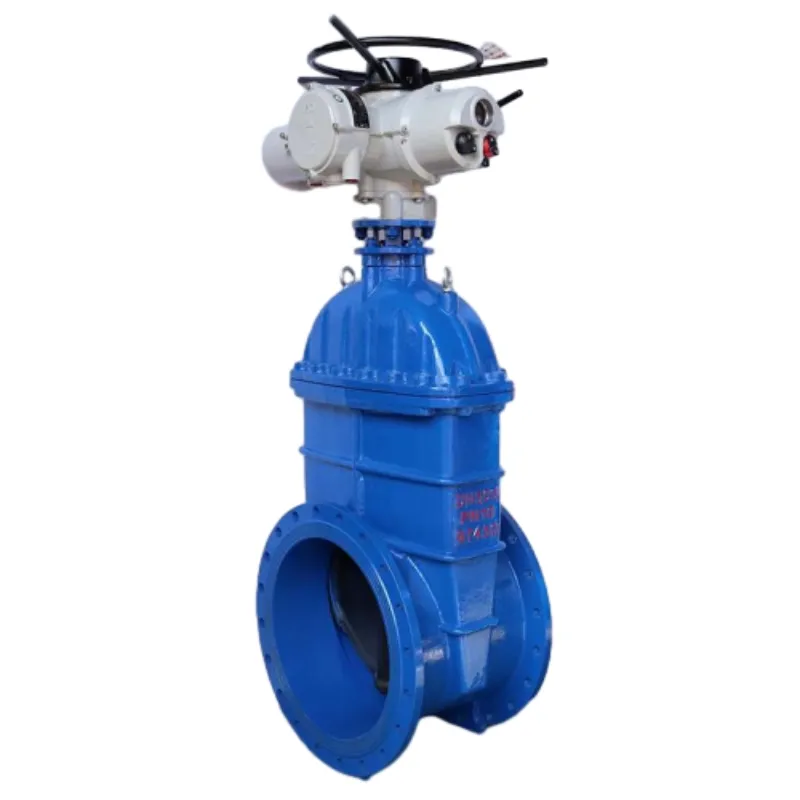
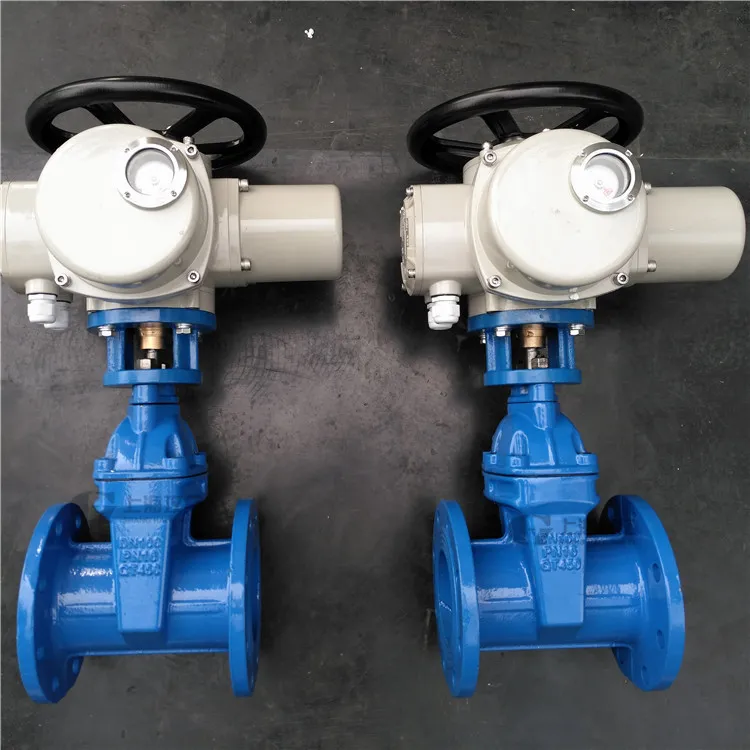
The Importance of 2% Gate Valve in Industrial Applications Gate valves are crucial components in various industrial applications, utilized for controlling the flow of liquids and gases. Among the different types of gate valves, the 2% gate valve has emerged as a significant variant, particularly in the year 2016, when innovations and improvements in valve technology reached new heights. This article explores the features, advantages, and applications of 2% gate valves, highlighting their relevance in modern industry. Understanding Gate Valves Gate valves are designed to provide a straight flow path through the valve, making them ideal for fully open or fully closed operations. This design minimizes the pressure drop and turbulence in the pipeline, which is essential for maintaining efficient flow rates. Gate valves operate using a gate-like mechanism that moves up and down, allowing or obstructing the flow of media. The term 2% refers to the tolerance level in the manufacturing process, ensuring that the valve's performance specifications are maintained within an acceptable range. Key Features of 2% Gate Valves One of the significant aspects of the 2% gate valve is its precision engineering. The 2% tolerance allows manufacturers to deliver products that perform reliably under various conditions. These valves are typically constructed from durable materials such as stainless steel, carbon steel, or cast iron, which enhances their longevity and resistance to corrosive environments. Additionally, 2% gate valves are designed for high-pressure and high-temperature applications, making them suitable for use in industries such as oil and gas, water treatment, and chemical manufacturing. Another notable feature is the ease of operation. Most 2% gate valves are equipped with a manual handwheel or an actuator for automated control, providing flexibility in operations. The valve’s design ensures minimal friction during opening and closing, which contributes to its operational efficiency. 2 1 16 gate valve Advantages of 2% Gate Valves The advantages of 2% gate valves are manifold. Firstly, their quick and straightforward operation reduces downtime in industrial processes. When immediate flow control is necessary, these valves can be opened or closed rapidly, ensuring processes are not unnecessarily delayed. Secondly, their low-pressure drop characteristics promote energy efficiency, leading to cost savings in both operational and energy expenses. Moreover, the durability of the materials used in 2% gate valves ensures that they can withstand harsh conditions without significant wear and tear. This resilience leads to a lower frequency of maintenance and replacement, further enhancing their cost-effectiveness. Applications in Various Industries 2% gate valves find applications across a wide array of industries. In the oil and gas sector, for instance, they are utilized in exploration and production environments where controlling the flow of hydrocarbons is critical. Likewise, in the water treatment industry, these valves help regulate the flow of water through treatment facilities, ensuring that processes run smoothly and efficiently. Additionally, the chemical manufacturing sector employs 2% gate valves to manage the flow of various chemicals, promoting safety and reliability in hazardous environments. Conclusion In conclusion, the 2% gate valve represents a vital innovation in valve technology that addresses the growing needs of various industrial applications. Its precision engineering, operational efficiency, and durability make it an indispensable component for industries where flow control is paramount. As industries continue to evolve and demand higher performance standards, the importance of robust solutions like the 2% gate valve will only increase, ensuring safe and efficient operations across the globe. Understanding the features and applications of these valves is essential for engineers and operators who strive to maintain optimal performance in their systems.
about
glass partition walls for offices
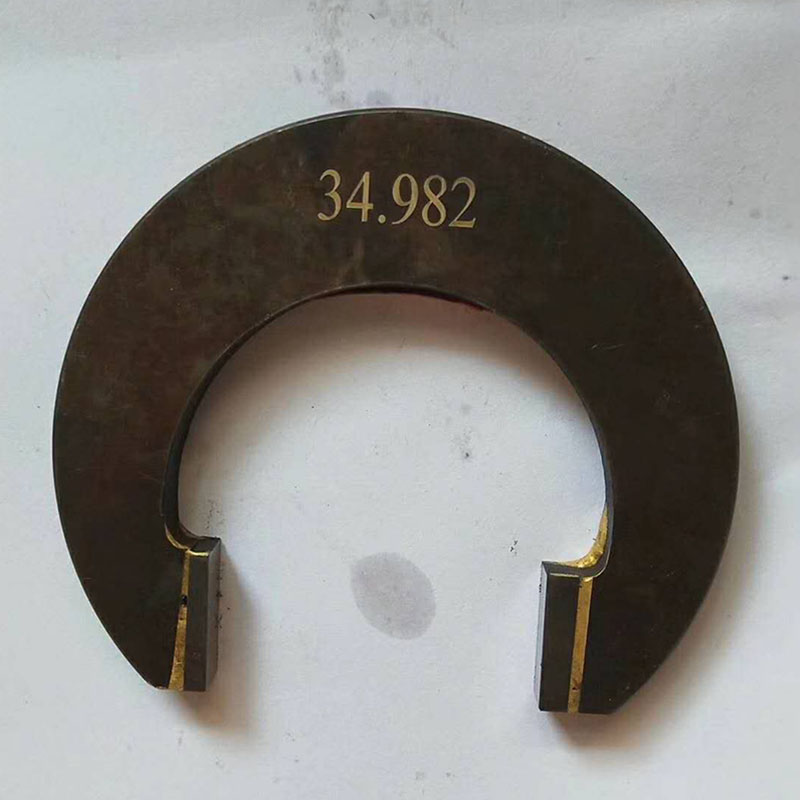
Understanding M10 20 Thread Gauge A Comprehensive Guide Thread gauges are essential tools in the field of mechanics and engineering, serving as crucial instruments for measuring and verifying the dimensions of threaded components. Among various types of thread gauges, the M10 20 thread gauge is particularly significant due to its widespread application in diverse industries, including automotive, aerospace, and manufacturing. In this article, we’ll delve into the specifics of the M10 20 thread gauge, its importance, and how it functions. What is an M10 20 Thread Gauge? The designation M10 20 refers to the metric thread type, where M stands for metric, 10 indicates the nominal diameter in millimeters (which means a diameter of 10mm), and 20 signifies the thread pitch, which is the distance from one thread crest to the next, measured in millimeters. In this case, the thread pitch is 2.0mm. Hence, an M10 20 thread gauge is used to measure and verify M10 x 2.0 mm threaded components. Importance of the M10 20 Thread Gauge Accuracy in thread dimensions is crucial to ensure that fasteners fit properly and can withstand the required load without failure. An M10 20 thread gauge helps in achieving this precision by allowing engineers and technicians to assess the quality of threaded parts. By using this gauge, professionals can determine whether the threads meet the specifications outlined in engineering drawings, thereby ensuring compatibility with other components. In industries where safety and reliability are paramount, such as aerospace or automotive manufacturing, the M10 20 thread gauge's role becomes even more critical. A faulty thread can lead to mechanical failures, potentially endangering lives and causing significant financial loss. How Does the M10 20 Thread Gauge Work? An M10 20 thread gauge typically comes in two forms a go gauge and a no-go gauge. The go gauge is used to check if the threaded part meets the minimum thread requirements, while the no-go gauge checks whether the thread exceeds maximum dimensions. m10 thread gauge To use the M10 20 thread gauge, follow these steps 1. Inspection Begin by visually inspecting the threaded part for any obvious defects, such as visible damage or corrosion. 2. Using the Go Gauge Insert the go gauge into the threaded hole. If it fits comfortably without excessive force, the component’s threads meet the minimum specification. 3. Using the No-Go Gauge Next, introduce the no-go gauge. The thread should resist entry. If the no-go gauge fits, the threads are likely oversized and do not meet specifications. 4. Documentation Record the results of the inspection for quality assurance purposes. This data can be especially valuable for audits and traceability. Best Practices To maintain the accuracy and longevity of your M10 20 thread gauge, it is essential to follow a few best practices - Regular Calibration Ensure that the gauge is calibrated periodically to maintain measurement accuracy. - Storage Store the gauge in a protective case to prevent damage and contamination. - Cleaning Keep the gauge clean and free from debris to avoid measurement errors. Conclusion The M10 20 thread gauge is a vital tool in ensuring the reliability and quality of threaded components in various industries. By understanding its function and importance, professionals can enhance their quality control processes, leading to safer and more reliable products. Whether you are involved in manufacturing, assembly, or maintenance, familiarity with the M10 20 thread gauge will certainly prove advantageous in your work.
-

High quality industrial productsagement

High quality industrial products
View Details -

Meet the diverse needs of customers

Meet the diverse needs of customers
View Details -

Strict quality control

Strict quality control
View Details -

Top raw materials

Top raw materials
View Details -

Trusted supplier

Trusted supplier
View Details
Our application
news and information
Wooden Nail Plates for Secure and Durable Construction Solutions
The Importance of Nail Plates for Wood Construction When it comes to woodworking and construction, t

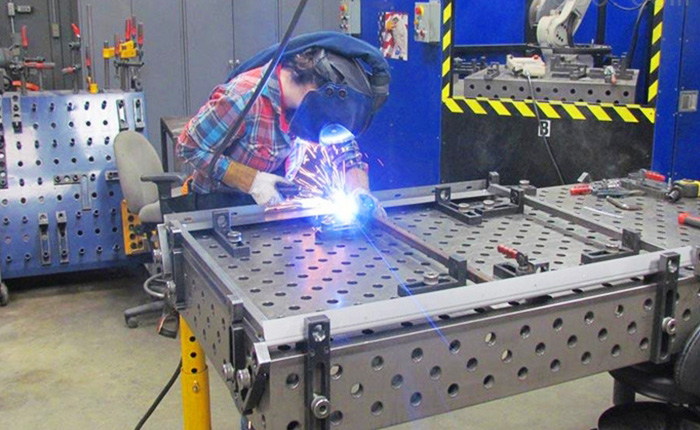
Versatile 3x4 Welding Table for Efficient Metal Fabrication and Projects
The Versatility of a 3x4 Welding Table In any metalworking shop, the tools and work surfaces can sig
V Frames - Innovative Video Frame Solutions for Your Visual Needs
Understanding V-Frames in Video Production In the world of video production, the term V-frames refer
 English